
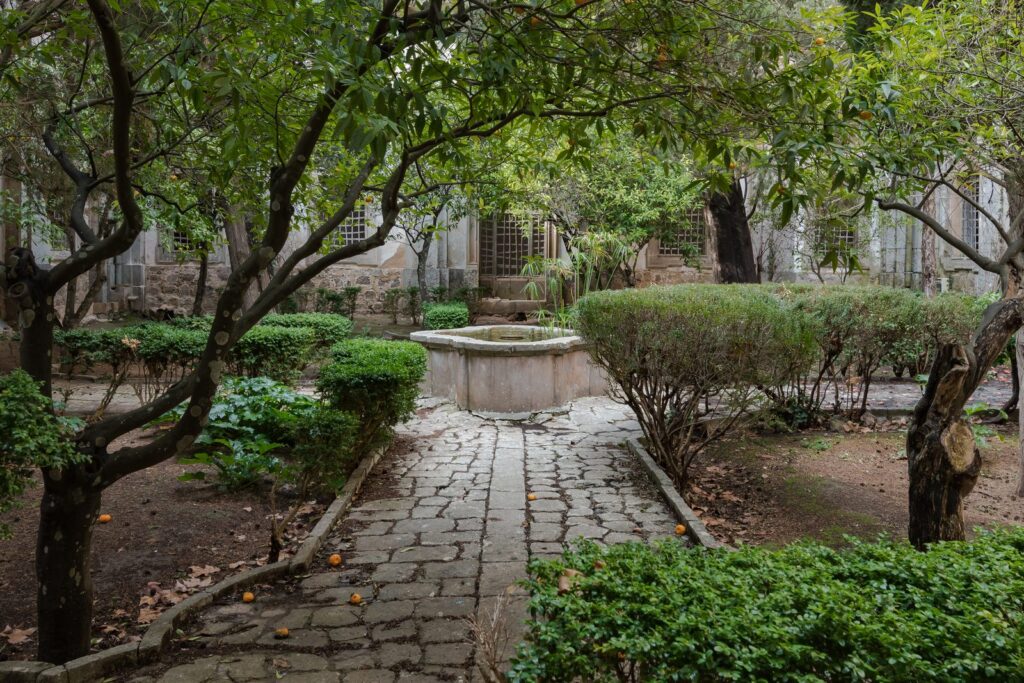
Valldemossa and Deià are two of the Serra de Tramuntana’s best-known villages — stone streets, terraced hillsides, and that north-west Mallorca light that feels a world away from Palma’s harbour. Together they make a classic full-day culture outing: inland Valldemossa first, then Deià toward the coast, with room for lunch and viewpoints rather than a race between car parks.
This is a different shape of day from the Sóller train outing — villages and mountain roads rather than wooden carriages and a citrus-valley tram. Keep them on separate days if you can; both deserve unhurried time. See the Day trips hub for how this sits beside Sóller, Formentor and short-hop beaches.
Valldemossa, Sóller and Deià shore excursion on Klook. See our affiliate disclosure for how partner links work.
Photo: Isiwal / Wikimedia Commons (CC BY-SA 4.0)
Why these two villages
The Tramuntana is a UNESCO World Heritage cultural landscape: olive terraces, limestone peaks, and settlements shaped by centuries of mountain agriculture. Valldemossa and Deià sit inside that setting — compact enough to wander on foot once you arrive, dramatic enough that the approach itself is part of the pleasure.
You do not need to hike to appreciate them. Village squares, church approaches, and carefully chosen lookouts show the terraces and stonework. If you do walk into the hills or toward the coast below Deià, check trail advice and weather first — summer heat and winter wind both change the day.
Valldemossa at a glance
Valldemossa sits inland among green slopes and stone streets that climb and fold around the historic centre. It is one of Mallorca’s most visited mountain villages for good reason: the setting is beautiful, the lanes are photogenic, and the pace rewards slow wandering rather than a single photo stop.
The village is widely associated with Frédéric Chopin and George Sand, who spent a winter here in the nineteenth century — a literary and musical chapter often linked to the former Carthusian monastery (the Cartoixa / Real Cartuja complex). Visit for atmosphere and context if that story interests you; confirm current opening arrangements, ticket types and any closures on official channels. Entry fees and hours change by season and for events.
Beyond the Chopin association, Valldemossa is simply a mountain village worth lingering in: cafés, viewpoints, and lanes that feel quieter once you step a street away from the busiest approach.
Deià — character and mood
Deià sits closer to the coast: a hillside cluster of stone houses, olive and citrus, and a long-standing artistic reputation. The mood is often more “village clinging to the slope” than “square-and-monastery inland stop” — narrower paths, sea glimpses, and a sense that people come to look and stay a while.
It can feel busy in peak months, especially around popular lunch hours and viewpoint pulls. Shoulder seasons often give you more space to walk without constant weaving. The coast below the village includes cove and path options for those with time and suitable footwear — always check conditions locally rather than assuming a swim or scramble is open and safe on the day you arrive.
Car vs bus
Hire car — flexible for linking Valldemossa and Deià at your own pace, with stops for viewpoints. Earns its keep on Tramuntana roads if you are confident with mountain driving, parking patience and summer traffic. Inside villages, park where directed and walk; do not improvise shortcuts through residential lanes.
TIB island buses — viable for many independent travellers with planning, early starts and realistic buffers. Services and frequencies change by season; always check current TIB timetables, stops and return options before you commit the day.
Organised outing — useful if you prefer not to drive and do not want to assemble a bus plan from scratch. Confirm what is included (villages only vs viewpoints, lunch free time, return to Palma) before you book.
Also on Klook. See our affiliate disclosure for how partner links work.
For city movement before and after, stick to walking and EMT Palma; for island buses, trust TIB; for arrival context, see Practical.
Pacing a full day
Treat this as a full day, not a half-day add-on after a cathedral morning.
A calm shape that travels well:
- Leave Palma with margin — especially in summer, when heat and traffic both rise.
- Valldemossa first — wander the lanes, decide whether a monastery visit fits, take a coffee or early lunch.
- Continue to Deià — hillside stroll, viewpoint or coastal pause if conditions suit, unhurried food.
- Return to Palma with daylight or early evening still in hand — leave buffer for parking, bus connections or mountain traffic.
Do not underestimate exposed roads, village climbs and midday glare. Carry water, wear shoes that cope with stone, and keep ambitions flexible if temperatures spike. One strong lunch and two villages done kindly beats three rushed photo stops.
Who it suits
- Culture and landscape travellers who want Tramuntana villages without needing the Sóller train experience on the same day.
- Couples and slow travellers happy to walk, look and eat rather than tick a long list.
- Drivers comfortable with mountain roads — or bus travellers willing to plan around TIB.
- Photographers who prefer stone, terraces and coastal light to beach clubs.
Less ideal if you only have a short half-day, dislike hills and crowds in peak season, or need guaranteed step-free access throughout (historic villages are rarely flat). Families manage with a loose pace and shade breaks; pushchairs are awkward on steeper lanes.
If your heart is set on the wooden train and Port de Sóller, keep that as its own outing: Day trip: Palma to Sóller by train.

Before you go
- Confirm TIB or driving plans the evening before; mountain weather and visitor numbers both shift.
- Check official sites for tickets and opening hours for any monument or monastery you plan to visit.
- Pack water, sun protection and a layer; Tramuntana air can feel cooler than Palma’s seafront.
- Keep Palma evenings free of hard deadlines so the return can stay gentle.
Related reading
- Day trips from Palma — Sóller, Formentor, short-hop beaches and Tramuntana context
- Day trip: Palma to Sóller by train — a different full day; do not crush both into one
- Practical — EMT, TIB, heat and official sources
- Neighbourhoods — a calm city base to come home to
Valldemossa and Deià reward the travellers who leave room for light and lunch. Give them the day — and let Sóller wait for another morning.